Your calendar can change before lunch. A formal meeting becomes an afternoon commute, then dinner turns into an unplanned night out. Yet many wardrobes are crowded with shoes that serve only one narrow moment. The result is predictable: rushed outfit changes, uncomfortable feet, and pairs gathering dust. A smarter three-pair wardrobe replaces clutter with range. By choosing one polished pair, one adaptable everyday option, and one relaxed social style, you can move through work, travel, dinners, errands, and weekends without dressing anxiety. The goal is not owning less for appearance. It is owning shoes that consistently earn their space daily.
A crowded shoe rack can still leave you asking the same question every morning: “What can I actually wear?”
The issue is rarely a lack of footwear. It is usually a lack of useful variety. Several pairs may look different in isolation but perform the same role. You might own the five pairs suited to evening plans yet nothing that moves smoothly between a meeting, a commute, and dinner.
A functional shoe wardrobe begins with scenarios, not trends. Think about where you regularly go, how long you stand, how much you walk, and what your usual clothing requires. Each pair should solve a different dressing challenge while overlapping enough to cover unexpected plans.
Three thoughtfully chosen pairs can create more wearable combinations than a shelf full of highly specific designs. The secret lies in selecting shoes for range, comfort, and repeat use rather than purchasing around one outfit or imagined event.
Your first pair should handle formal meetings, presentations, office days, professional lunches, interviews, and events where appearance needs structure. It sets the tone when you want to look composed without appearing overdressed.
This does not mean choosing stiff footwear that only works behind a desk. A useful work shoe should support movement from the commute to the conference room and onward to an evening reservation.
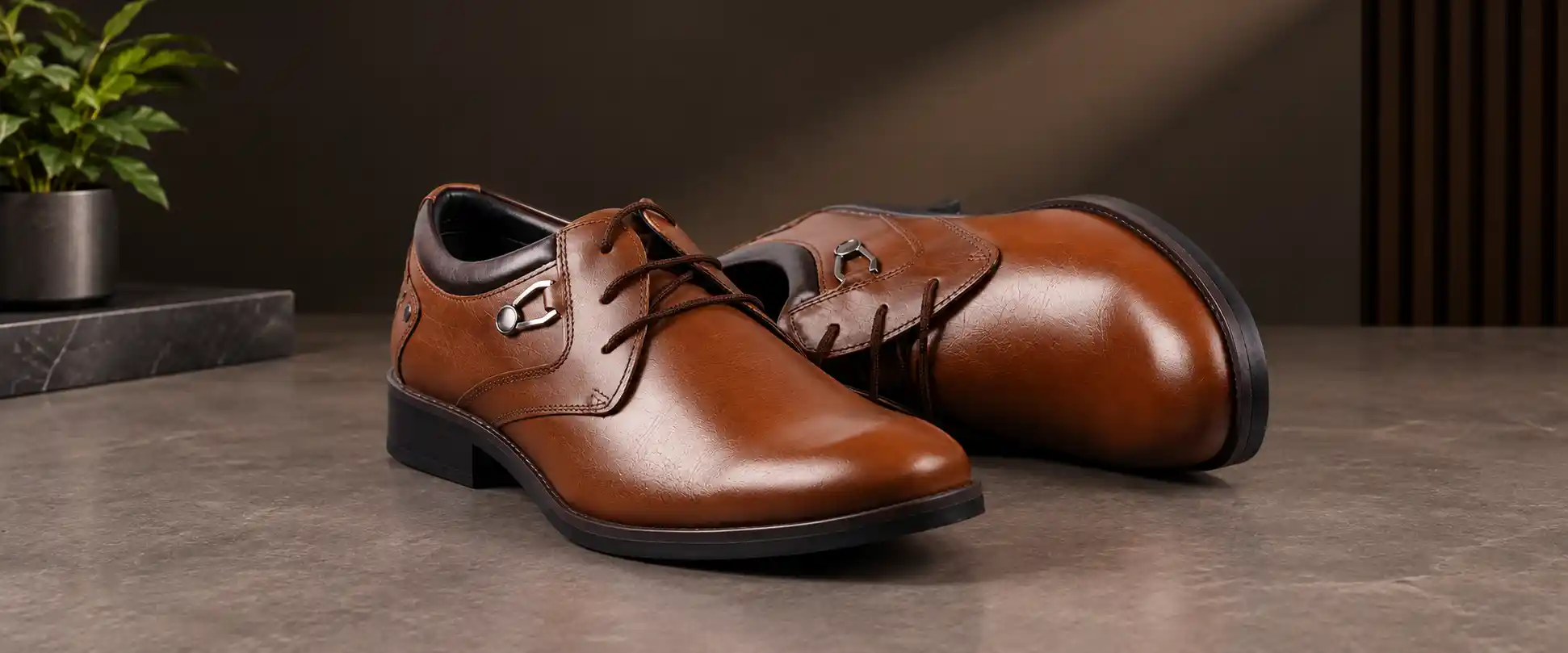
Depending on your style, this pair might be a sleek loafer, structured flat, low block heel, refined lace-up, or minimal ankle boot. Focus on clean lines and restrained detailing. Black, deep brown, taupe, or another grounded shade will usually connect with a wider range of clothing.
Look at your work wardrobe before selecting the color. If you regularly wear navy, gray, cream, and muted shades, choose footwear that links easily with those tones. The pair should complement trousers, dresses, skirts, and tailored separates without demanding a different outfit strategy every time.
A polished appearance is only part of the equation. The shoe must also survive the reality of your workday.
Check whether the toe area allows natural placement when standing. Walk on a hard surface and notice whether the heel slips or the upper presses against your foot. If the sole feels unstable during a shoe fitting, it may become distracting after several hours.
Consider the height and shape of the heel. A narrow heel can look refined but may be less practical for long commutes or uneven surfaces. A lower block shape often offers a similar visual lift with a steadier base.
Closures matter too. Buckles, laces, and adjustable straps can help you adapt the fit across a long day. Feet can feel fuller after hours of movement, so a little flexibility is useful.
The ideal work pair should make you look prepared while letting you focus on the conversation, presentation, or task in front of you.
The second pair does the hardest job in your wardrobe. It must move between casual offices, appointments, shopping, lunch, travel, family gatherings, and spontaneous evening plans.
This is the shoe you reach for when the day has no single dress code. It needs enough polish to avoid looking overly relaxed, but enough ease to support walking and repeated wear.
A clean sneaker, soft loafer, streamlined flat, simple mule, or understated ankle boot can fill this role. The exact style depends on your clothing and routine. What matters is visual flexibility.
Avoid details that tie the shoe to one mood. Heavy decoration, loud color combinations, or highly seasonal materials can reduce its range. Instead, look for a shape that feels current without relying on one passing trend.
Neutral does not have to mean dull. Deep green, muted burgundy, warm tan, soft metallics, and dusty blue can behave like versatile shades when they connect with your existing wardrobe. Choose a color you already wear rather than one you merely admire on the shelf.
Before buying the second pair, imagine it with at least five outfits you already own. Better yet, photograph those outfits and compare them while shopping.
Try pairing the shoe with tailored trousers, casual denim, a simple dress, relaxed separates, and an evening-ready look. If its supports only one to two combinations, it may not deserve the everyday position.
Pay attention to proportion. Chunkier footwear can balance wide trousers and relaxed silhouettes, while a slimmer shape may sit naturally with narrow trousers, midi skirts, or fitted dresses. There is no universal answer because your wardrobe determines the right visual weight.
Also consider maintenance. A pair intended for frequent use will encounter dust, pavements, public transport, and changing weather. Materials and colors that become difficult after every outing may discourage you from wearing them.
Your third pair is where personality enters the system. It serves dinners, celebrations, creative gatherings, dates, concerts, and late-night plans. Unlike the work shoe, it can be expressive. Unlike the everyday pair, it does not need to suit every setting.
However, expressive does not mean impractical. The strongest social shoe combines visual impact with enough comfort to carry you through the full event.
This could be a striking heel, sculptural flat, polished boot, bold sneaker, embellished sandal, or colorful loafer. Choose the style that makes familiar outfits feel fresh. The pair should transform clothing you already own rather than require several new purchases around it.
Ask what your social plans actually involve. If nights out include walking between venues, a delicate high heel may spend more time at home than expected. If events are usually seated, you may have greater freedom with shape and height.
The power of this wardrobe comes from controlled overlap. Each shoe has a primary role, but none should be trapped inside it.
Your work shoe might accompany a formal dinner. Your everyday pair could handle a relaxed office meeting and drinks afterward. Your social option may add energy to a simple daytime outfit.
This overlap creates resilience. When one pair is unsuitable because of weather, walking distance, or clothing choice, another can step in. You are not relying on one shoe for every situation, yet you are also avoiding pairs with a single limited purpose.
The three-part structure makes gaps easier to identify. If every pair feels formal, your casual life is underserved. If all three look relaxed, dressier plans may become difficult. If each shoe has a loud personality, coordinating outfits will require extra effort.
Think of the collection as a small team. Each member has a distinct role, but they should still work toward the same goal: making daily dressing faster and more satisfying.
Before buying anything new, examine the shoes you already own. Divide them into three groups based on the roles in this article.
You may discover that one category is overflowing while another is missing. Perhaps you own several formal pairs but no adaptable option for long days. Maybe your casual shoes cover every errand, yet none works for an evening plan.
Also notice which pairs you tend to repeatedly avoid. Identify the reason without judging yourself. The color may be difficult, the fit may feel restrictive, or the style may belong to a life you no longer live.
This edit prevents the duplicate purchases and reveals what your next shoe needs to accomplish. Shopping from a defined gap is far more useful than browsing until something catches your attention.
This aim is not to discard everything outside the three-pair structure. It is to create a dependable core that makes the rest of your collection easier to understand.
A strong shoe wardrobe does not need endless choices. It needs the right choices.
One polished pair brings structure to work and formal settings. One everyday transformer connects the varied parts of your schedule. One social wild card adds expression when the occasion invites it. Together, they cover an impressive range without turning your wardrobe into storage.
Use your calendar, clothing, movement, and environment as buying criteria. Select colours that communicate with what you already own. Test fit through real movement, and give every pair a clear job before bringing it home.
When your footwear supports your actual routine, getting dressed becomes quicker and purchases become more purposeful. You stop collecting possibilities and start building usable style.
From the boardroom to an unexpected night out, the right three pairs can keep pace with nearly every version of your day.