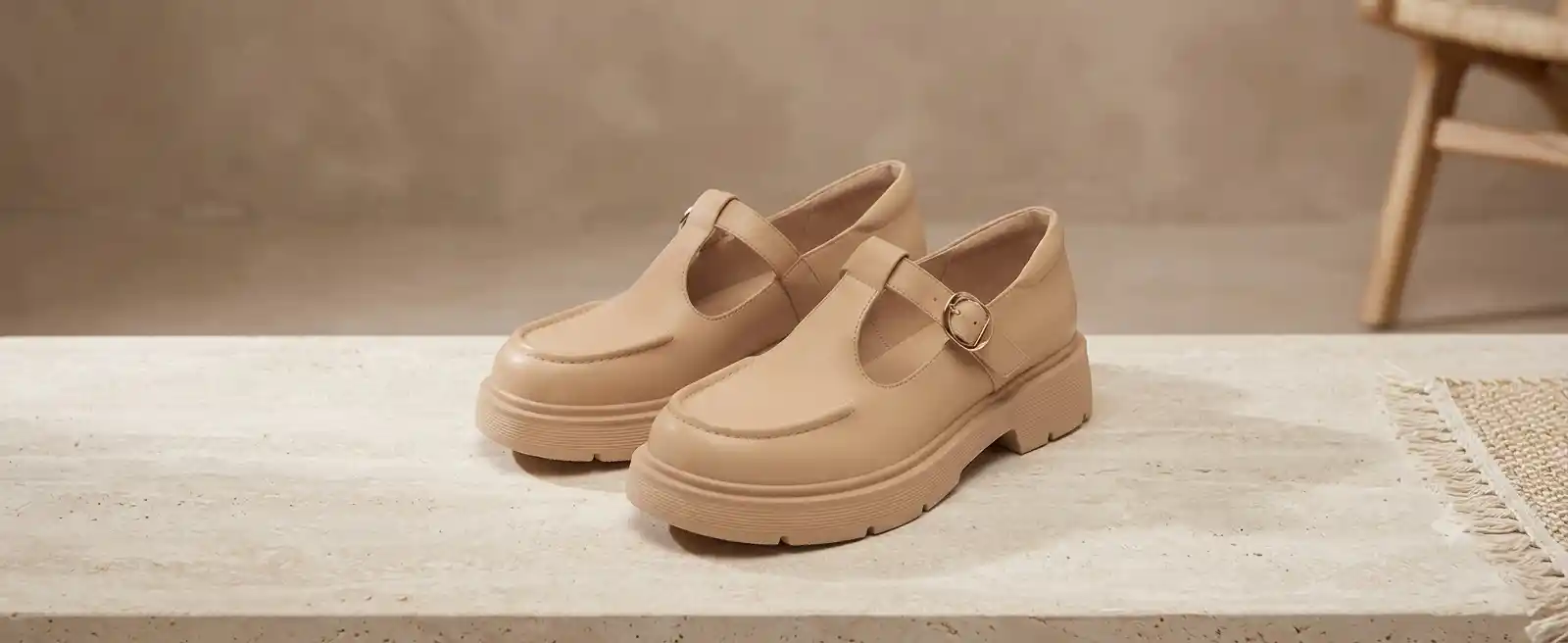
You have spent years blaming your feet. They are way too wide, too awkward, too difficult, or apparently incompatible with attractive shoes. Yet the real problem, may be sitting on the shelf, not inside your socks. Many shoes are designed around narrow shapes, rigid materials, and visual appeal that ignores how feet actually move. When pinching, rubbing, and squeezing become normal, discomfort starts feeling like a personal flaw. It is not. Your feet are giving honest feedback about a poor match. Learning to read that feedback can change how you shop, what you wear, and how confidently you walk through every day.
People often tend to decide they have wide feet after trying several shoes that squeeze the toes or press against the sides. However, width is only part of it. Toe shape, arch placement, heel structure, shoe volume, material, and construction all influence how a pair feels.
A foot can have a narrow feel and a broad forefoot. Another may have average width but need extra room across the instep. Some toes spread naturally while standing, creating pressure inside shoes that taper sharply toward the front. None of these features means your feet are unusually difficult.
The label becomes fake when it encourages you to accept discomfort as inevitable. You may keep sizing up, adding inserts, stretching materials, or hoping a painful pair will soften. Those adjustments can sometimes help, but they cannot transform a shoe built around the wrong shape.
Start seeing fit as compatibility rather than judgment. Your feet are not failing the shoe. The shoe simply may not match your structure.
A shoe can look precious from the outside while offering very little usable room inside. The toe box may narrow quickly, forcing your toes inward even when the numbered size seems correct.
Stand naturally and notice whether your toes can rest with overlapping, curling, or pressing against the upper. Try moving each toe slightly. You don’t need enough room to perform gymnastics, but there should be space for natural placement.
Pay attention to the longest toe as well. It should not touch the front when you walk downhill, stop suddenly, or shift your weight forward. A small gap can prevent repeated impact.
Before purchasing, compare the outfit of the shoe with the outline of your foot. If the shoe becomes sharply pointed while your forefoot stays broad, discomfort is predictable. Choosing a roomier toe shape doesn’t mean abandoning your style. It means selecting designs that respect the space your toes use.
Going up a size can create extra length, but it doesn’t always provide room in the right places. You may gain space near the toes while the sides remain restrictive. Meanwhile, the heel begins slipping, the arch support sits incorrectly, and your foot moves inside the shoe.
This tends to create a frustrating cycle. The smaller size feels tight, while the larger one feels unstable. The issue is not often size alone. It may be the shape, internal volume, or width distribution.
When this happens, test another fit rather than adding more length. Look for options with wider forefoot construction, adjustable straps, deeper uppers, or separate width choices. Measure both feet because one may be slightly longer or broader.
Use the larger foot when selecting your size, then assess the heel and instep separately. A suitable shoe should be able to hold your foot without squeezing it or requiring your toes to grip the sole for stability.
The idea that every new pair must hurt before becoming wearable has encouraged countless poor purchases. Some materials become more flexible after repeated use, but severe pressure is not a normal stage of ownership.
A shoe may feel slightly firm at first. It should not create burning, sharp rubbing, tingling, or an urgent desire to remove it. Those sensations reveal concentrated pressure, friction, or restricted space.
Do not let an appealing design persuade you to ignore immediate feedback. Walk across a hard surface, turn in both directions, and stand still for several minutes. Notice what changes as your feet settle.
If discomfort appears inside a shop or during a short home fitting, longer wear is unlikely to make the experience enjoyable. Shopping with the expectation of comfort from the beginning helps you avoid buying shoes that become expensive shelf decorations.
Feet behave differently under weight. When you stand, they tend to lengthen slightly and spread across the ground. Walking adds bending, forward movement, impact, and repeated changes in pressure.
This is why a seated fitting reveals very little. A shoe may feel roomy while your foot is relaxed, then becomes restrictive once you move.
Test shoes by walking at your natural pace. Climb a few steps if possible. Turn, pause, and rise onto the balls of your feet. Watch for heel movement, toe contact, side pressure, and any area that folds into your skin.
Try shoes later in the day when your feet may be fuller from ordinary activity. Wear the type of socks you expect to use with that pair. These simple choices create a more realistic fitting experience and reduce surprises after purchase.
Look down while standing. Does the side of your foot extend beyond the edge of the sole? Does the upper curve inward while your foot pushes outward? These visual clues suggest that the platform beneath you is too marrow.
An upper made from soft fabric may stretch around the foot and create the illusion of flexibility. Yet if the sole remains narrow, your foot still lacks proper support beneath its full width.
Remove the insole when possible and stand on it. Your foot should sit within its general outline without major overhang. This quick comparison can reveal a mismatch that is difficult to notice from the exterior.
A broader base can create a steadier feel and allow pressure to spread more evenly. It can also reduce the sensation that you are balancing on the edges of the shoe. Focus on the full structure, not only the softness of the upper.
Temporary sock lines are common, but deep shoe marks tell a different story. Red bands, compressed toes, or strong indentations around the instep suggest that part of the shoe is applying excessive pressure.
Track where the marks appear. Pressure across the upper may mean you need greater depth rather than additional width. Marks near the little toe could point to a narrow forefoot. Rubbing around the heel may indicate movement caused by an unsuitable shape.
The location matters because it guides your next purchase. Saying “these shoes hurt” provides limited information. Saying “the upper presses across my instep after twenty minutes” gives you a useful fitting clue.
Take a photograph if the marks fade before your next shopping trip. That record can help you compare designs and avoid repeating the same mistake.
Shoes influence movement quietly. You may shorten your steps, avoid bending one foot, shift weight outward, or grip with your toes without realizing it. These adjustments often begin as attempts to escape pressure.
Notice whether your natural stride returns as soon as you remove a pair. If walking barefoot feels like relief, the shoe deserves closer evaluation.
A well-matched pair should move with you. The sole should bend near the area where your forefoot bends, the heel should remain steady, and the upper should allow movement without harsh rubbing.
Do not judge fit only by how long you can tolerate a shoe. Ask whether you move normally while wearing it. Endurance and comfort are not the same. A pair that changes your movement is asking your body to adapt to its limitations.
Your feet have carried you through every crowded commute, ling shift, quick errand, celebration, and ordinary afternoon. They are not asking for special attention. They are asking for enough space, suitable structure, and a shape that reflects how they actually move.
One you stop seeing discomfort as the entry fee for style, shopping becomes clearer. You start rejecting pairs that only look convincing and choosing those that work beyond the mirror.
That shift can also reduce wasted purchases. A shoe worn repeatedly brings far more value than several attractive pairs left untouched. Comfort supports confidence because you can focus on where you are going instead of what is pinching.
Your feet are not the problem to solve. Listen to them, learn their shape, and choose shoes that meet them where they are.